
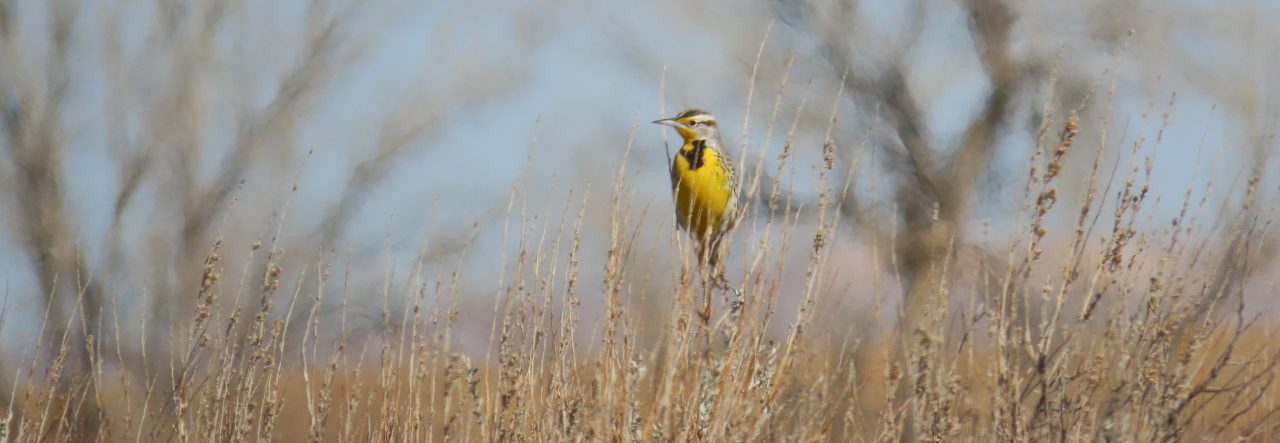
January 17, 9:00 a.m. – Field Trip: Raptor Alley, Nunn, CO
This is a free event open to the public. Everyone, no matter what your birding skills, is invited to join us.
We will meet at the Lions Park parking lot between the Children’s Village at the Cheyenne Botanic Gardens and the picnic shelter. We will leave the park at 9:00 a.m. and drive to Nunn, CO, about 38 miles and 40 minutes south of Cheyenne. There we will meet at Soaring V Fuels, at the southwest corner of Weld County Road 100 and the South Greeley Highway. From there we will drive county roads looking for raptors.
We should see Red-tailed, Rough-legged and Ferruginous Hawks among others including Bald Eagles and a variety of smaller birds.
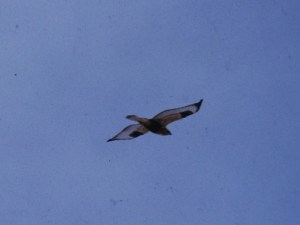
Bring lunch or snacks and water. Be sure to dress for variable weather. Bring binoculars and spotting scopes if you have them. The more eyes we have, the more birds we will see.
We should be back in Cheyenne no later than 4 p.m., but if you drive, you can leave whenever you need to.
If you are interested in going, contact Grant Frost, 307-343-2024, so that he has a list of those expected, and he can let you know if the plans change for any reason like bad weather. Please let him know if you will need a ride from Cheyenne and back.
January 20, 6:00 p.m. – Program: “Using Rejuvra to Manage Invasive Annual Grasses (Cheatgrass): Key Characteristics, Best Practices, and Encouraging Ecological Outcomes,” in the Cottonwood Room of the Laramie County Library, 2200 Pioneer Ave, Cheyenne.
Rejuvra is a highly-effective pre-emergent herbicide for managing invasive annual grasses in rangelands and natural areas. This presentation will highlight key herbicide characteristics, introduce essential best practices for implementation, and review recent research demonstrating the ecological benefits associated with effective annual grass management. 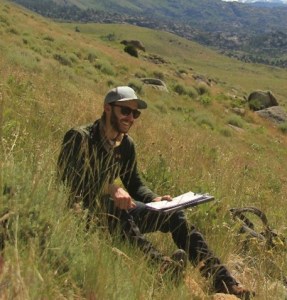
Jake Courkamp (at right) is a range scientist working in the Restoration Ecology Lab at Colorado State University. His research and outreach activities focus on evaluating, refining, and advancing weed management practices, along with measuring the ecological outcomes associated with effective weed and invasive plant control.
Jan. 20 – No-host dinner with speaker Jake Courkamp at 4:30 p.m. at 2 Doors Down, 118 E. 17th Street. Please RSVP Barb Gorges, 307-287-4952 or bgorges4@msn.com.
January 27, 6:00 p.m. – Monthly Board Meeting
Contact us, cheyenneaudubon@gmail.com, if you would like to attend and participate in helping to plan chapter activities, or if you are interested in volunteering in some of our activities. This meeting will be held at the Laramie County Library in the Windflower Room
January 30, 8:00 a.m. – Country Club Bird Survey
Contact Chuck Seniawski to be on his email notice list: 307-638-6519 or chuckski@aol.com. The count will start in the Country Club’s clubhouse’s main parking lot. These outings are free and open to everyone, but please let Chuck know you are coming.
 Cheyenne-High Plains Audubon Society